
Hnycareershub
FollowOverview
Company Description
NHS: A Universal Embrace
In the sterile corridors of Birmingham Women’s and Children’s NHS Foundation Trust, a young man named James Stokes navigates his daily responsibilities with subtle confidence. His oxford shoes move with deliberate precision as he acknowledges colleagues—some by name, others with the universal currency of a “good morning.”
James carries his identification not merely as a security requirement but as a declaration of acceptance. It hangs against a pressed shirt that gives no indication of the tumultuous journey that brought him here.

What sets apart James from many of his colleagues is not immediately apparent. His presence gives away nothing of the fact that he was among the first participants of the NHS Universal Family Programme—an effort designed specifically for young people who have spent time in care.
“I found genuine support within the NHS structure,” James reflects, his voice measured but carrying undertones of feeling. His statement captures the heart of a programme that strives to transform how the vast healthcare system views care leavers—those frequently marginalized young people aged 16-25 who have graduated out of the care system.
The numbers paint a stark picture. Care leavers frequently encounter higher rates of mental health issues, financial instability, accommodation difficulties, and lower academic success compared to their age-mates. Underlying these clinical numbers are personal narratives of young people who have navigated a system that, despite best intentions, regularly misses the mark in offering the nurturing environment that shapes most young lives.
The NHS Universal Family Programme, initiated in January 2023 following NHS England’s promise to the Care Leaver Covenant, represents a substantial transformation in organizational perspective. At its heart, it recognizes that the complete state and civil society should function as a “collective parent” for those who have missed out on the stability of a typical domestic environment.
Ten pioneering healthcare collectives across England have led the way, creating systems that reconceptualize how the NHS—one of Europe’s largest employers—can extend opportunities to care leavers.
The Programme is meticulous in its approach, beginning with thorough assessments of existing practices, creating governance structures, and obtaining executive backing. It acknowledges that effective inclusion requires more than good intentions—it demands practical measures.
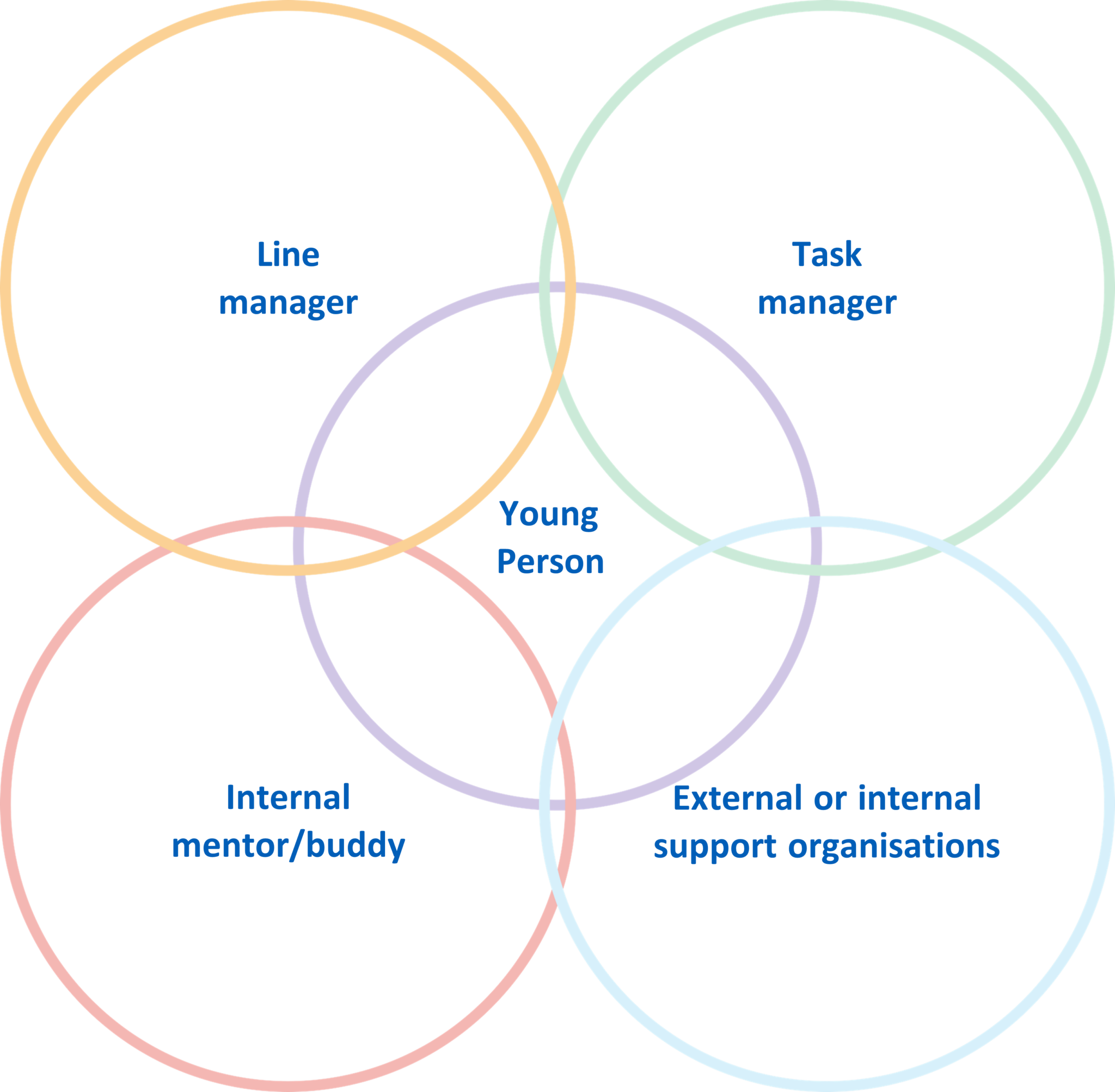
In NHS Birmingham and Solihull ICB, where James found his footing, they’ve created a consistent support system with representatives who can offer help and direction on mental health, HR matters, recruitment, and inclusivity efforts.
The standard NHS recruitment process—rigid and potentially intimidating—has been carefully modified. Job advertisements now emphasize character attributes rather than long lists of credentials. Applications have been redesigned to consider the particular difficulties care leavers might face—from missing employment history to facing barriers to internet access.
Maybe most importantly, the Programme recognizes that beginning employment can pose particular problems for care leavers who may be handling self-sufficiency without the safety net of family resources. Matters like travel expenses, proper ID, and banking arrangements—considered standard by many—can become significant barriers.
The elegance of the Programme lies in its meticulous consideration—from clarifying salary details to providing transportation assistance until that essential first payday. Even seemingly minor aspects like rest periods and professional behavior are thoughtfully covered.
For James, whose career trajectory has “revolutionized” his life, the Programme offered more than a job. It provided him a feeling of connection—that ineffable quality that develops when someone feels valued not despite their past but because their unique life experiences enhances the workplace.
“Working for the NHS isn’t just about doctors and nurses,” James comments, his gaze showing the modest fulfillment of someone who has found his place. “It’s about a collective of different jobs and roles, a group of people who genuinely care.”
The NHS Universal Family Programme represents more than an work program. It functions as a bold declaration that systems can adapt to include those who have known different challenges. In doing so, they not only change personal trajectories but enhance their operations through the unique perspectives that care leavers bring to the table.
As James moves through the hospital, his involvement silently testifies that with the right support, care leavers can thrive in environments once thought inaccessible. The support that the NHS has offered through this Programme represents not charity but appreciation of overlooked talent and the profound truth that all people merit a community that supports their growth.
